
Autophagy and Glaucoma: Rethinking Neuroprotection
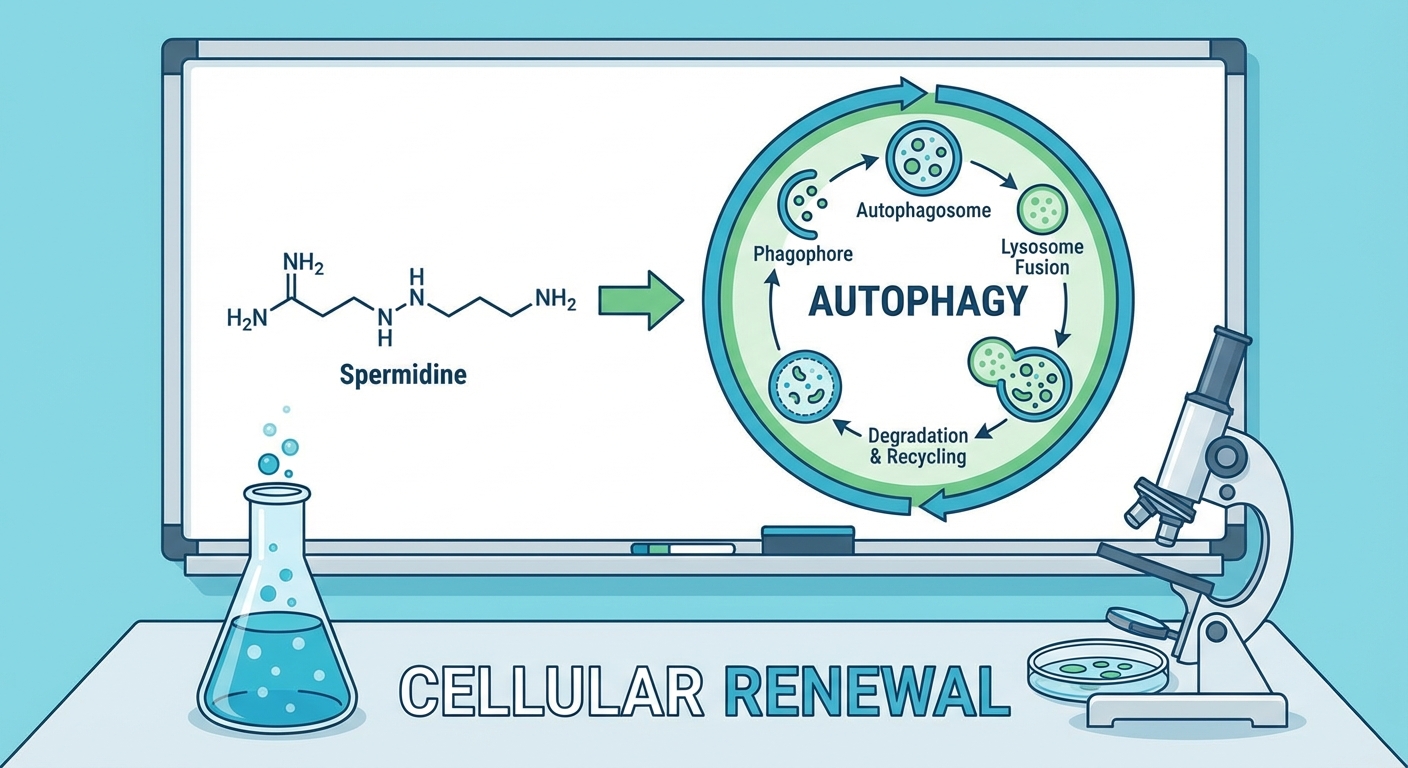
Glaucoma is an optic neuropathy marked by progressive death of retinal ganglion cells (RGCs) and their axons, leading to irreversible vision loss (pmc.ncbi.nlm.nih.gov). Traditionally managed by lowering intraocular pressure (IOP), glaucoma is also now recognized as a neurodegenerative disease. By the time visual field defects emerge, substantial RGC loss has often occurred (pmc.ncbi.nlm.nih.gov). Consequently, attention has turned to protecting RGCs through non-IOP strategies. One promising target is autophagy, the cell’s “self-eating” maintenance pathway. Autophagy sequesters and recycles damaged proteins and organelles in lysosomes, keeping neurons healthy. Emerging evidence shows that impaired autophagy (reduced autophagic flux) contributes to glaucomatous RGC death (pmc.ncbi.nlm.nih.gov). In fact, multiple studies report that dysfunctional autophagy is closely linked to glaucoma progression (pmc.ncbi.nlm.nih.gov). Thus enhancing autophagy in RGCs has become an attractive strategy to prevent apoptosis and degeneration (pmc.ncbi.nlm.nih.gov) (pmc.ncbi.nlm.nih.gov).
Spermidine: A Natural Autophagy Enhancer
Spermidine is a naturally-occurring polyamine found in all cells. It is particularly concentrated in glial cells of the retina and brain (pmc.ncbi.nlm.nih.gov). Spermidine levels decline with age, but lifelong supplementation has remarkable benefits. In model organisms (yeast, worms, flies, and mice), supplemental spermidine extends lifespan and promotes stress resistance by boosting autophagy (pmc.ncbi.nlm.nih.gov) (pmc.ncbi.nlm.nih.gov). Mechanistically, spermidine inhibits acetylation of key proteins (targeting EP300), thereby lifting a brake on the autophagy machinery. The result is a surge in autophagic flux – more autophagosomes form and clear cellular waste – which helps cells survive stress (pmc.ncbi.nlm.nih.gov) (pmc.ncbi.nlm.nih.gov). In simple terms, spermidine acts like a “caloric restriction mimetic” by stimulating the same cleanup pathways that fasting or rapamycin do (pmc.ncbi.nlm.nih.gov) (pmc.ncbi.nlm.nih.gov).
Dietary Sources vs. Supplements
Spermidine is abundant in certain foods. For example, soybeans, mature cheeses, wheat germ, mushrooms, and some nuts or legumes are particularly rich sources (pmc.ncbi.nlm.nih.gov). Typical Western diets provide on the order of 5–15 mg of spermidine per day (roughly 60–100 μmol) (pmc.ncbi.nlm.nih.gov) (pmc.ncbi.nlm.nih.gov). However, the doses used in experimental animal studies are far higher. In research mice, spermidine is often given at ~30 mM in drinking water (equivalent to many hundreds of mg per kg of body weight) (pmc.ncbi.nlm.nih.gov) (pubmed.ncbi.nlm.nih.gov). By simple scaling, that mouse dose corresponds to grams per day in humans – far above what one can get from diet alone. For humans, concentrated supplements are the way to boost intake. Most human trials to date have used milligram-range doses. For example, a recent cognitive aging trial gave older adults ~1.2–3.3 mg of spermidine per day (via capsules or fortified bread) and found it safe (pmc.ncbi.nlm.nih.gov) (pmc.ncbi.nlm.nih.gov). In practice, commercial spermidine supplements often provide ~~0.5–3 mg per capsule, meant for daily use. Further dose-ranging studies will be needed to identify an optimal protective dose for the eye.
Preclinical Neuroprotection in Glaucoma Models
Animal studies suggest powerful neuroprotective effects of spermidine on RGCs. For instance, in a mouse optic nerve injury (ONI) model (mimicking traumatic optic neuropathy and aspects of glaucoma), daily oral spermidine sharply reduced RGC loss. Mice given spermidine (30 mM in drinking water) showed significantly more surviving RGCs two weeks after optic nerve crush than controls (pmc.ncbi.nlm.nih.gov). In vivo OCT imaging confirmed this protection: spermidine-treated mice maintained thicker inner retinal layers and ganglion cell complex (GCC) than untreated mice (pmc.ncbi.nlm.nih.gov). Spermidine also promoted optic nerve axonal regeneration and inhibited stress pathways: it blocked the ASK1-p38 kinase cascade in RGCs and reduced oxidative stress markers in the retina (pmc.ncbi.nlm.nih.gov) (pmc.ncbi.nlm.nih.gov). In short, oral spermidine stimulated a strong antioxidant and neuroprotective response, rescuing RGCs from injury-induced death (pmc.ncbi.nlm.nih.gov) (pmc.ncbi.nlm.nih.gov).
A separate model of normal-tension glaucoma – the EAAC1 KO mouse – yielded similar results (pubmed.ncbi.nlm.nih.gov). EAAC1 KO mice develop spontaneous RGC degeneration (with normal IOP) due to impaired glutamate transport. In this model too, continuous spermidine (30 mM in water from weeks 5–12 of life) ameliorated retinal degeneration and preserved function (pubmed.ncbi.nlm.nih.gov). Multimodal questionnaires (OCT and multifocal ERG) showed better retinal structure and visual responses in spermidine-treated knockouts compared to untreated mice (pubmed.ncbi.nlm.nih.gov). Notably, spermidine had no effect on IOP itself, confirming a direct retinal effect (pubmed.ncbi.nlm.nih.gov). The protective mechanism here again appeared to involve antioxidation: spermidine greatly reduced retinal levels of 4-hydroxy-2-nonenal (a lipid peroxidation marker) in the KO mice (pubmed.ncbi.nlm.nih.gov).
These rodent studies, taken together, demonstrate that dietary spermidine can safeguard RGCs in injury and genetic glaucoma models (pmc.ncbi.nlm.nih.gov) (pubmed.ncbi.nlm.nih.gov). The consistent findings – reduced RGC apoptosis, preserved retinal thickness, improved electrophysiology – point to a generalizable neuroprotective effect. The data support the idea that enhancing autophagy (and antioxidant defenses) via spermidine can interrupt common glaucoma pathways of oxidative stress and inflammation (pmc.ncbi.nlm.nih.gov) (pubmed.ncbi.nlm.nih.gov).
Translating Dose: From Mice to Humans
One challenge is bridging the gap between effective animal doses and feasible human intake. As noted, mice often received ~30 mM spermidine in water. A 25g mouse drinking ~5 mL/day would ingest ~20–25 mg/day, roughly 800–1000 mg/kg (very high). By body surface area scaling, that approximates tens of grams per day for a 70 kg human – obviously impractical. Instead, human interventions use much lower doses. The 2018 Aging RCT used ~1.2 mg/day for 3 months (pmc.ncbi.nlm.nih.gov); another trial used 1.9–3.3 mg/day via spermidine-enriched bread (pmc.ncbi.nlm.nih.gov). These small doses were well below dietary averages, but were tested for safety and modest efficacy (some memory benefits were seen at 3 mg/day) (pmc.ncbi.nlm.nih.gov).
Because dietary spermidine intake (~10 mg/day) is modest, supplements or enriched foods are necessary to substantially raise autophagy. Fortunately, spermidine is well-absorbed by the gut (pmc.ncbi.nlm.nih.gov). Capsules or extracts (often wheat germ derived) allow controlled dosing. In designing human doses for glaucoma trials, investigators would likely start with a range similar to the cognition trials (1–10 mg/day) and carefully monitor for effect. Pharmacokinetic data suggest that, paradoxically, high oral doses do not strongly raise blood spermidine – it is rapidly taken up by tissues (pmc.ncbi.nlm.nih.gov) – but tissue levels (especially in retina) could still rise enough to boost autophagy. The ideal therapeutic dose remains to be determined.
Safety Profile and Longevity Insights
Spermidine has an excellent safety record at nutritional doses. In a landmark phase II trial, cognitively at-risk seniors took a spermidine-rich extract (1.2 mg/day) or placebo for 3 months. The spermidine group had no adverse effects: vital signs, blood chemistry and organ function remained identical to controls (pmc.ncbi.nlm.nih.gov). Compliance was high (>85%), indicating tolerability. Even in mice, subchronic spermidine (28 days at up to 50 g extract/kg feed) caused no deaths or major organ damage (pmc.ncbi.nlm.nih.gov). Minor findings (e.g. slight kidney weight increase in female mice at extreme overdose) were observed only at supraphysiologic levels (pmc.ncbi.nlm.nih.gov).
Early cancer concerns have not materialized. Although tumors often have altered polyamine metabolism, life-long spermidine supplementation in normal mice did not increase tumor incidence (pmc.ncbi.nlm.nih.gov). On the contrary, one mouse study found that oral spermidine reduced chemically-induced liver cancer and extended median lifespan by ~25% (pmc.ncbi.nlm.nih.gov). This aligns with the broad “caloric restriction mimetic” literature: spermidine (like rapamycin and fasting) tends to promote longevity in worms, flies, and mice (pmc.ncbi.nlm.nih.gov) (pmc.ncbi.nlm.nih.gov). Epidemiologically, people getting more spermidine from diet have lower all-cause mortality (pmc.ncbi.nlm.nih.gov) and slower biological aging (pmc.ncbi.nlm.nih.gov) (pmc.ncbi.nlm.nih.gov). In sum, the longevity data are encouraging: spermidine is associated with lifespan extension in many systems, without obvious harm. Of course, lifelong effects in humans remain to be proven, but current safety/aging studies are reassuring.
Spermidine and mTOR-Targeted Therapies
Spermidine and mTOR inhibitors both stimulate autophagy, but via different routes. mTOR (mechanistic target of rapamycin) is a nutrient sensor: when active it suppresses autophagy, and when inhibited (e.g. by rapamycin) autophagy is unleashed. Recent work shows these two approaches are actually connected. Fasting or rapamycin trigger an endogenous spike in spermidine biosynthesis (pmc.ncbi.nlm.nih.gov). In fact, blocking spermidine production (e.g. with ODC1 inhibitors) prevents rapamycin from inducing autophagy and extending lifespan (pmc.ncbi.nlm.nih.gov) (pmc.ncbi.nlm.nih.gov). In other words, spermidine appears to be an essential downstream mediator of rapamycin’s effects on autophagy (pmc.ncbi.nlm.nih.gov) (pmc.ncbi.nlm.nih.gov).
This implies that exogenous spermidine and rapamycin converge on the same autophagy cascade. The practical implication is unclear. One view is that combining them could be synergistic (more autophagy stimulus). Another is that if rapamycin already maximally raises spermidine, adding more might have diminishing returns. Notably, a recent cell study found distinct autophagic flux profiles for spermidine vs. rapamycin (pmc.ncbi.nlm.nih.gov) (pmc.ncbi.nlm.nih.gov), suggesting they engage some different steps. Thus it may be safe to combine them (e.g. in anti-aging clinics), but the specific effects in glaucoma patients are unknown. At minimum, clinicians should be aware that these interventions overlap biologically. Anyone trying spermidine supplementation should disclose any mTOR-modulating drugs (like rapalogs or even metformin) to their team, and monitor for unexpected effects. Rigorous drug-supplement interaction studies have not yet been done.
Designing a First-In-Glaucoma Trial
Given the promising preclinical data, how could we test spermidine in glaucoma patients? A prudent first trial would be a randomized, placebo-controlled study of early-stage primary open-angle glaucoma (or normal-tension glaucoma) subjects on standard IOP-lowering therapy. Key design elements could include:
- Dose and Duration: Start with a corn starch placebo vs. a spermidine supplement (or enriched wheat germ extract) in the range of ~3–5 mg/day, taken once daily. A run-in period to establish baseline stability, then treatment for at least 12 months.
- Imaging Endpoints (Structural): Optical coherence tomography (OCT) of the optic nerve and retina would be primary. Specifically, measure peripapillary retinal nerve fiber layer (RNFL) thickness and macular ganglion cell complex (GCC) thickness at baseline, 6 and 12 months. Any slowing of RNFL/GCC thinning in the spermidine group would be a positive sign. (Animal work already validated OCT as a useful noninvasive biomarker (pmc.ncbi.nlm.nih.gov).)
- Functional Endpoints: Standard automated perimetry (24-2 visual fields) is essential. Document the rate of visual field mean deviation (MD) change over time. Since early glaucoma progression is slow, the trial may need enough patients/power or sensitive testing (e.g. point-wise linear regression of field points). Additional tests could include pattern electroretinogram (pERG) or multifocal ERG to assess RGC function, and possibly visual evoked potentials (VEP).
- Biomarkers and Safety: Monitor IOP and systemic safety labs (liver/kidney function) quarterly. Check compliance by pill count or biomarker (e.g. polyamine levels in blood or even tear fluid, though tear markers are experimental). Novel imaging, if available, could be used: for example DARC (detection of apoptosing retinal cells) is an emerging fluorescent assay for RGC death that might detect effects in months. However, OCT and visual field should suffice initially.
- Study Population: Patients with mild-to-moderate glaucoma (early field loss) would maximize the chance to see neuroprotection. Both sexes, aged >40, with controlled IOP on stable drops. Exclusion of advanced glaucoma (where vision change might confound) or other retinal diseases.
- Statistical Plan: The primary endpoint might be change in RNFL thickness (likely small over one year). Secondary: visual field progression rate. A positive trend (slower structural or functional decline) would justify larger trials. Sample size calculations would depend on expected effect size; a pilot of ~50 patients per arm could provide initial insights.
- Considerations: All subjects would continue standard glaucoma care (IOP control). Because spermidine is very safe, ethical review would likely view it as a nutraceutical study rather than high-risk drug trial. Nonetheless, we should carefully record any adverse events (though none are anticipated at these doses).
Toward long-term goals, one could also measure longevity markers or metabolic effects in these patients, given spermidine’s broad systemic impact. But for an ophthalmology trial, the priority is demonstrating that RGC integrity (imaging and function) is preserved.
Conclusion
A growing body of research links autophagic health to RGC survival, and places spermidine at the center of this biology. As a dietary/autophagy enhancer with a strong safety record and evidence of neuroprotection in glaucoma models (pmc.ncbi.nlm.nih.gov) (pubmed.ncbi.nlm.nih.gov), spermidine is an intriguing candidate for glaucoma therapy. Its natural presence in food, combined with observed lifespan extension in preclinical studies (pmc.ncbi.nlm.nih.gov) (pmc.ncbi.nlm.nih.gov), adds to the appeal. Careful clinical trials are now warranted. A well-designed first-in-glaucoma trial using imaging (OCT) and visual fields could determine whether chronic spermidine supplementation slows RGC loss in patients. If successful, spermidine could usher in a new nutraceutical strategy for neuroprotecting vision – addressing a major unmet need in glaucoma management.
TAGS: ["spermidine", "autophagy", "glaucoma", "retinal ganglion cell", "neuroprotection", "mTOR", "longevity", "dietary supplement", "optical coherence tomography", "visual field"]